By Zane Willman, Associate Advisor | CCG Real Estate Advisors
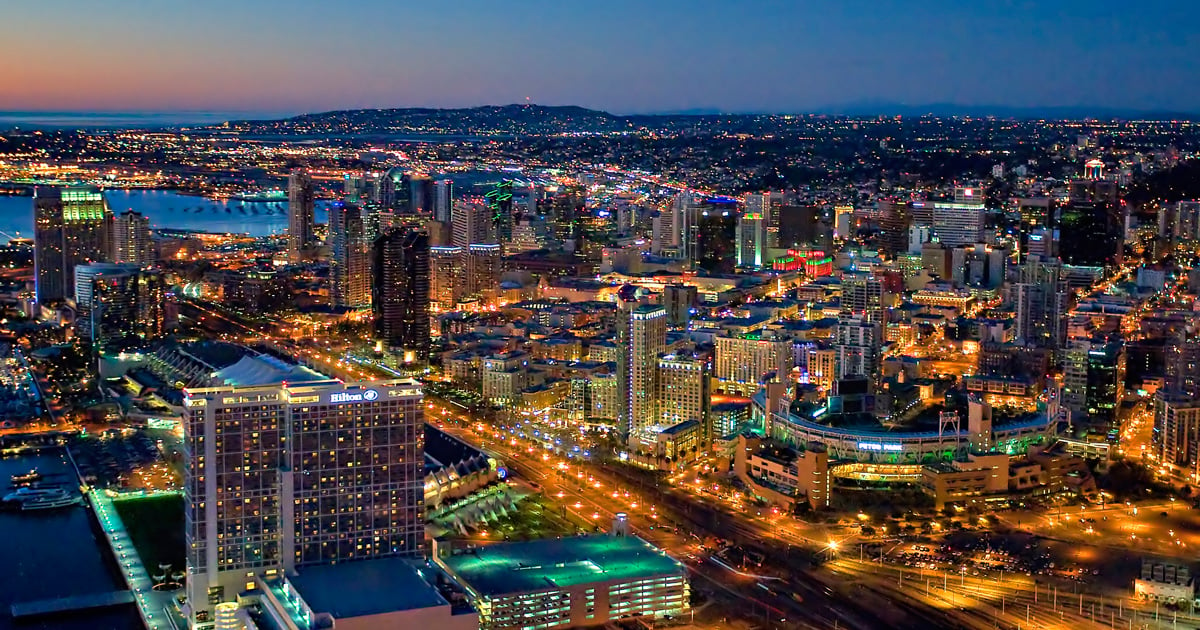
Over the last decade, San Diego has quietly shifted from a “coastal lifestyle city” into a market-magnet for capital.
Housing costs are rising faster than local incomes. It’s what happens when a city becomes both:
-
Highly desirable to live in
-
Highly desirable to invest in
San Diego now sits at that exact intersection.
The Core Tension: Lifestyle vs. Affordability
San Diego offers something very few markets can replicate:
-
Year-round great weather
-
Coastal geography that limits expansion
-
Strong employment centers in biotech, defense, healthcare, and education
-
High quality of life + low volatility
-
Persistent housing undersupply
That combination creates permanent demand.
Even with California’s pro-development policies (ADUs, Complete Communities, TPA incentives, density bonuses), physical and regulatory constraints mean:
New housing will never match demand fast enough.
So what happens?
Prices rise faster than incomes.
Lower and middle-income households get squeezed.
Ownership becomes harder.
Rentership becomes longer.
And ironically… Investors double down.
What History Tells Us
San Diego isn’t the first city to experience this cycle.
Other “destination markets” followed the same path.
New York City
What happened:
-
Wages couldn’t keep pace with housing
-
Middle class moved outward (Queens, NJ, suburbs)
-
Institutional capital dominated core neighborhoods
Investment result:
-
Lower cap rates
-
Price stability
-
Strong appreciation
-
“Safe harbor” for global capital
As we all know, NYC isn’t known for affordability, but it has been a prime location for institutional capital.
Miami
-
Out-of-state wealth flooded in
-
Remote workers + investors drove up pricing
-
Rents and home values surged faster than local incomes
Investment result:
-
Explosive appreciation
-
Strong rent growth
-
Cap rates compressed
-
Market viewed as a “wealth parking lot”
Miami transformed from a regional market into a national capital destination and is still seeing a lot of that activity today.
San Diego Is Following a Similar Trajectory
We’re seeing:
-
More 1031 buyers bringing their equity from out of state markets
-
Family offices reallocating into coastal communities
-
Owners holding longer (less selling pressure)
-
Cap rates staying sticky even in higher rate environments
Why?
Because investors view San Diego as a stable market.
They aren’t chasing yield. They’re chasing durability and long term growth.
Expensive… Yet Attractive
Normally, higher prices scare investors away.
But in supply-constrained coastal markets like San Diego, the opposite happens.
Higher prices signal:
-
Safety
-
Long-term appreciation
- Less price fluctuation
-
Lower downside risk
So capital continues flowing in.
Which pushes pricing… even higher.
What This Means for Residents
As costs outpace wages:
-
Rent burdens increase
-
Homeownership becomes harder
-
Middle-income families move inland
-
The city skews wealthier over time
This is exactly what has happened in major cities like NYC and Miami.
San Diego is taking steps in that direction.
Because it’s one of the most desirable cities in the country.
What This Means for Investors
From an investment perspective, the implications are clear:
1. Expect stickier cap rates long term
-
San Diego will likely continue pricing like a core market. While we've seen a slight softening in prices, the impact hasn't been comparable to any other states who has seen significant fluctuations in cap rates.
2. Appreciation matters more than yield
-
Cash flow helps, but equity growth will drive returns significantly more as it has for owners over the past few decades.
3. Hold periods extend
-
Owners rarely sell unless forced to or exchanging into other markets. Especially with longer-term owners having a lower tax basis, it's even less motivation to make a move.
4. Competition increases
- Out-of-state 1031 capital isn’t slowing down. We've seen numerous clients bring their money to San Diego because they're bullish on the continued benefit to investing in America's Finest City.
Final Thought
San Diego is expensive because:
- People want to live here.
- Businesses want to do business here.
- Investors want to invest here.
That combination creates lasting demand. And lasting demand creates durable real estate.
We help private owners evaluate their portfolios and structure acquisitions or 1031 exchanges around long-term strategy.
Click our Logo below to schedule a complementary strategy call with our team.