Written by Zane Willman, Associate Advisors | CCG Real Estate Advisors
It's World Cup season. And with billions of eyes locked on stadiums around the world, it's hard not to think about what happens to the real estate around them.
Sports and real estate have always had a relationship. But over the past few decades, that relationship became something more deliberate and far more profitable. Developers, cities, and investors began to realize that a well-placed venue doesn't just draw a crowd on game night. When mixed-use development wraps around a sports and entertainment anchor, it rewires the real estate market around it entirely.
The numbers back it up.
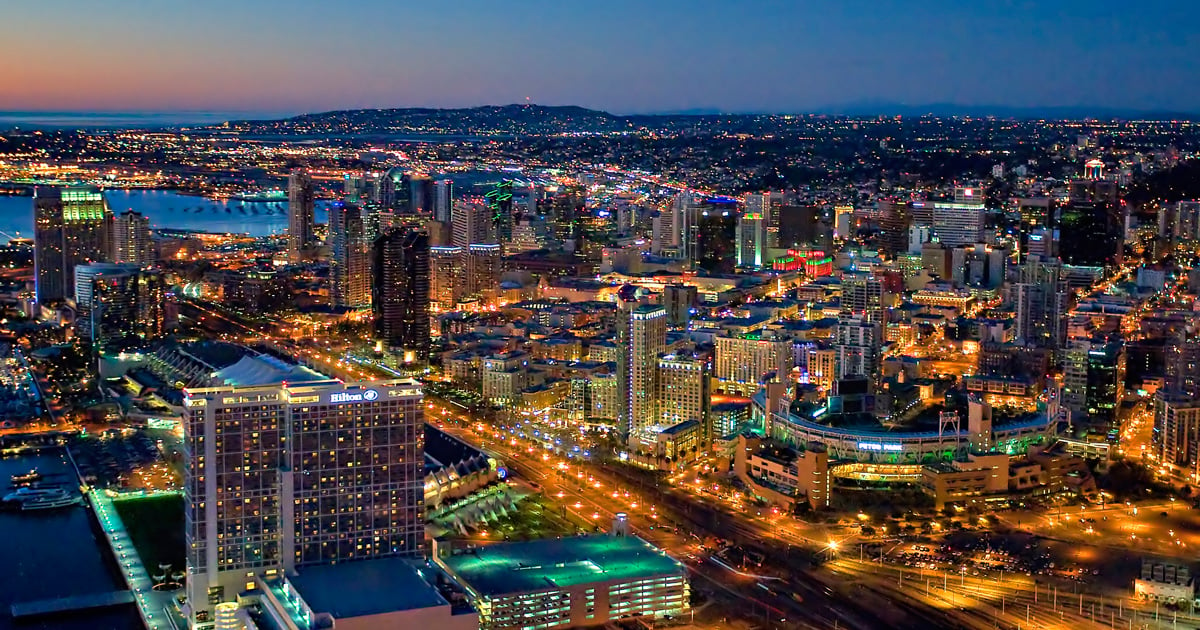
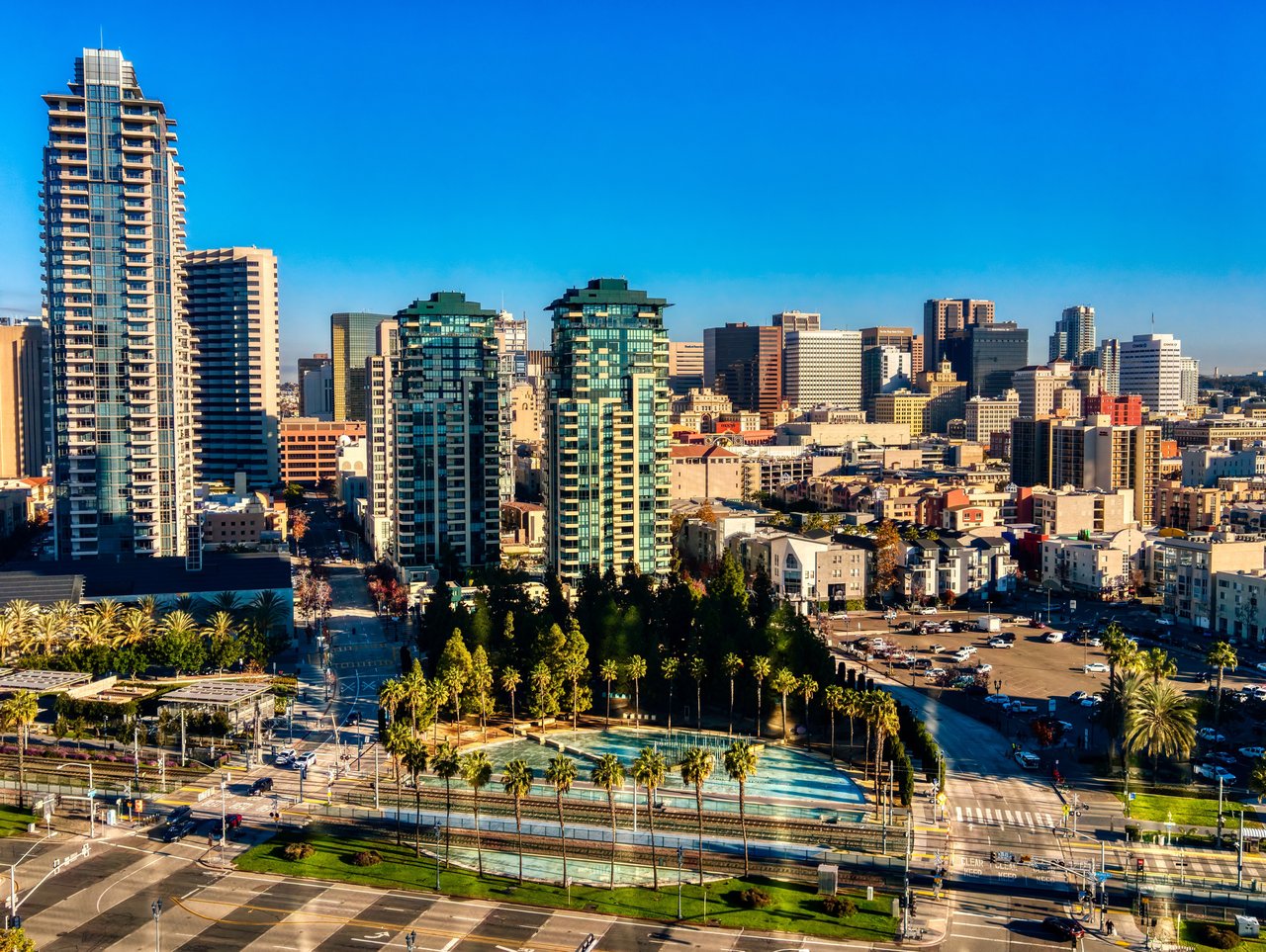
Taxable property values at The Battery Atlanta rose from $5 million in 2014 to $736 million in 2022 — driven by the integration of Truist Park with hotels, restaurants, retail, and office space. LA Live in Los Angeles followed the same playbook. And right here in San Diego, Petco Park transformed the East Village from a largely vacant district into one of the city's most active urban corridors. When entertainment infrastructure is paired with density and daily activity, surrounding real estate reprices dramatically. And the Midway Rising project is next up.
The Venue Is the Catalyst, Not the Product
A recent CBRE podcast featuring Larry Botel — co-owner of the Richmond Flying Squirrels and Managing Partner of JOSS Realty Partners — offers an important caution alongside the optimism: a stadium alone doesn't move real estate. CarMax Park's predecessor sat in the same Richmond neighborhood for 40 years, drawing thousands of fans per night, and the surrounding area remained largely stagnant. What changed wasn't the sport — it was the surrounding development program.
Botel points to The Battery's success as being fundamentally driven by its office space. Millions of square feet of corporate tenancy that fills the district every day, not just on game nights. The stadium draws attention and daily density anchors the economy. The goal at CarMax Park is 250 programmed days per year, not just 70 home games. The more they're able to drive traffic to the venues, the better.
The Public-Private Engine
These projects don't pencil on market economics alone. CarMax Park's $130 million build was only possible because the City of Richmond issued $110 million in general obligation bonds. Without that commitment, Botel says plainly, "it never would have happened". Tax Increment Financing bridged the rest, allowing future tax revenue from surrounding development to be deployed today with the expectation of future earnings.
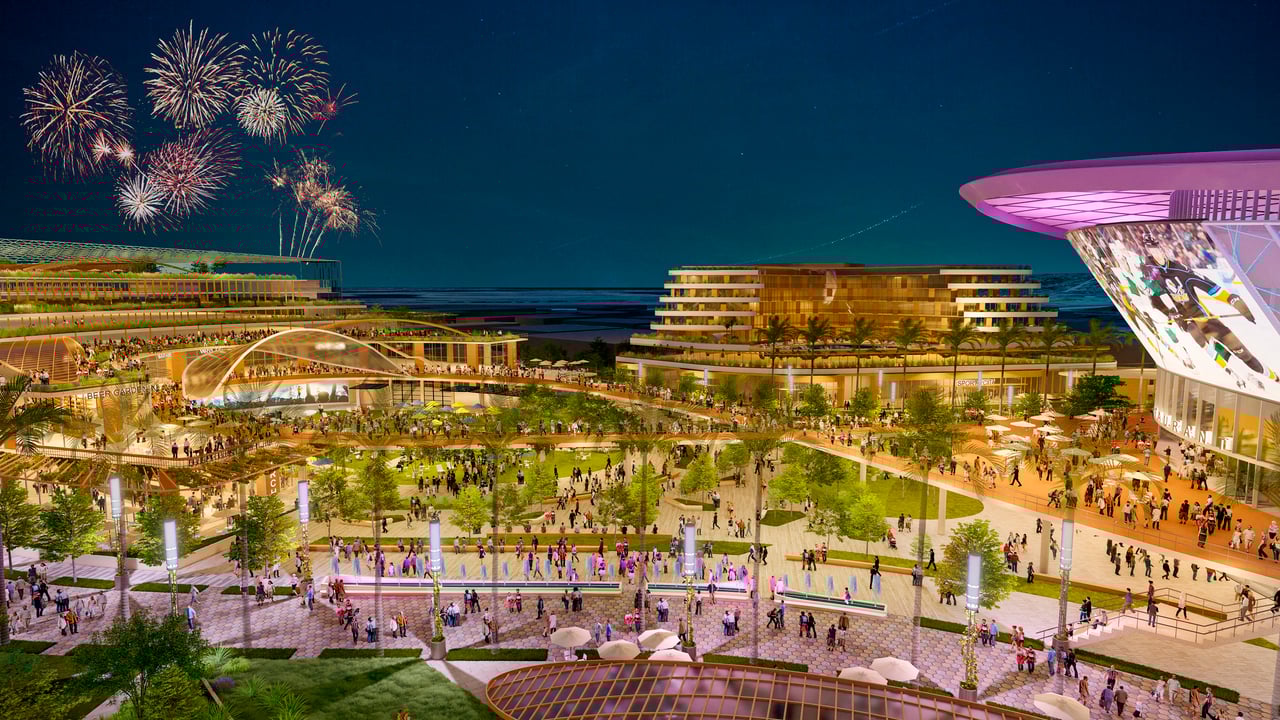
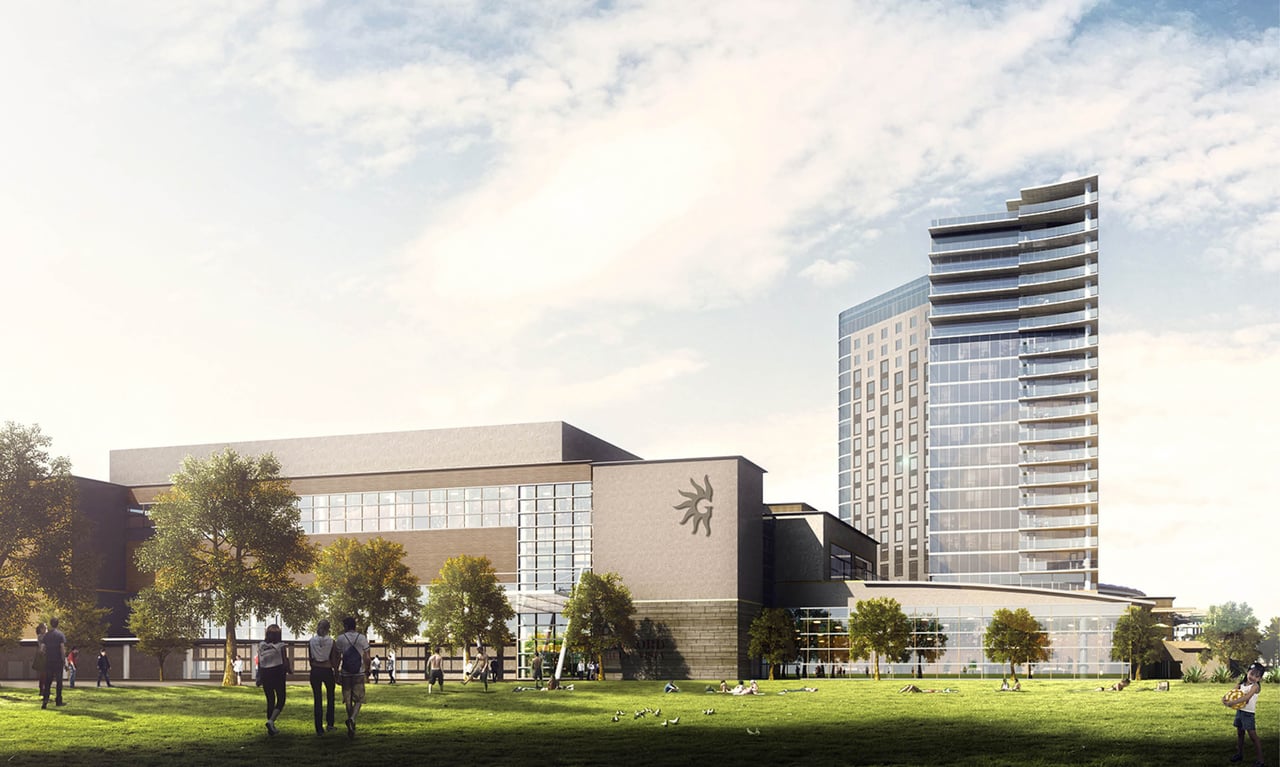
Midway Rising is projected to generate $7 billion in economic activity and over 8,500 jobs, with the City of San Diego actively backing its advancement through entitlement. The involvement of Stan Kroenke — owner of the LA Rams and Denver Nuggets and one of the most prolific large-scale venue developers in the country — signals institutional conviction that this gets built. The city wants to see this project through.
San Diego Has Already Seen This Work
Petco Park's development of the East Village and Gaslamp Quarter is San Diego's own proof point. Before the ballpark, the East Village was basically a ghost town. The development spurred urban renewal, attracted residential and commercial investment, and boosted property values throughout the corridor. Midway Rising is positioned to replicate that transformation and in a district with strong room to run.
The Midway District's current median household income sits at approximately $51,000, well below San Diego's citywide average of $89,000. The Battery's trajectory suggests that entertainment-anchored mixed-use development can compress that disparity meaningfully over time. With 4,200 residential units, a reimagined Pechanga Arena, a central urban park, and integrated retail and dining, Midway Rising has all the ingredients for success.
The Takeaway
The Battery proves the model at scale. Petco Park proves it works locally. Richmond is proving it right now.
Midway Rising is San Diego's version of this story, and the fundamentals that made those other projects successful. For investors with holdings in or near the Midway corridor, or those evaluating long-term positions in adjacent neighborhoods, the trajectory of this project is worth watching closely.
CCG Insights covers commercial and residential real estate trends with a San Diego market focus. This article references CBRE's The Weekly Take podcast, Episode 27 (2026), and CCG's prior analysis of the Midway Rising project. CCG Real Estate Advisors is a San Diego-based brokerage specializing in helping investors buy, sell, and evaluate multifamily and commercial real estate opportunities across San Diego and key California markets. If you're evaluating assets in or around emerging corridors like Midway, we'd welcome a conversation.