Written by Zane Willman, Senior Advisor | CCG Real Estate Advisors
The real estate market is frozen.
According to Redfin, 5.8% of U.S. listings were pulled from the market in April without a sale. That's tied for the highest delisting rate since March 2020. That number is being driven by single-family homeowners, but the dynamic it describes is playing out across asset classes. Multifamily investors are watching the same standoff and facing the same consequences.
The Anchor Effect
Sellers anchored to pandemic-era peaks are pulling listings off the market rather than accepting lower offers. Owners who acquired or refinanced at low interest rates in 2021 and 2022 are holding out for valuations that no longer reflect current debt costs. Buyers, now underwriting at 6–7% interest rates, can't make those numbers pencil. So they walk.
The result: plenty of sellers, very few actually trade though.
The apartment owner who refuses to transact is sitting on an asset that still has operating costs, deferred maintenance, and in many cases, a loan that doesn't get cheaper when values soften.
What a Frozen Market Actually Means for Multifamily
Transaction volume in multifamily has fallen sharply since the rate environment shifted. Bid-ask spreads — the gap between what sellers expect and what buyers underwrite at — remain wide in most markets. Owners who bought at compressed cap rates and expected to refinance into favorable terms are now stuck: values have corrected, rates haven't come down enough to matter, and the exit they planned isn't available at the price they need for deals to pencil.
That's a freeze. Capital simply sitting on the sidelines waiting for a signal that may not come on anyone's preferred timeline.
Who Benefits When Everyone Else Sits Out
Two groups are winning in a frozen market, and they're winning for opposite reasons.
The first is patient capital — institutional buyers and well-capitalized private investors who understand that the bid-ask gap closes eventually. They can afford to wait for sellers with real urgency: debt maturities, partnership disputes, estate events. They're not trying to time a bottom. They're positioned to act the moment a seller stops anchoring to 2021 pricing.
The second is exchange capital, and it benefits for the exact opposite reason: it has no time to wait at all. The 1031 clock doesn't care that sellers are holding out for pandemic-era valuations — 45 days to identify, 180 days to close, regardless of where the market sits. That forces exchange buyers to move now, which puts them in the best position with sellers who are actually motivated to transact. The buyer with a deadline is often the only one in the room underwriting a deal seriously.
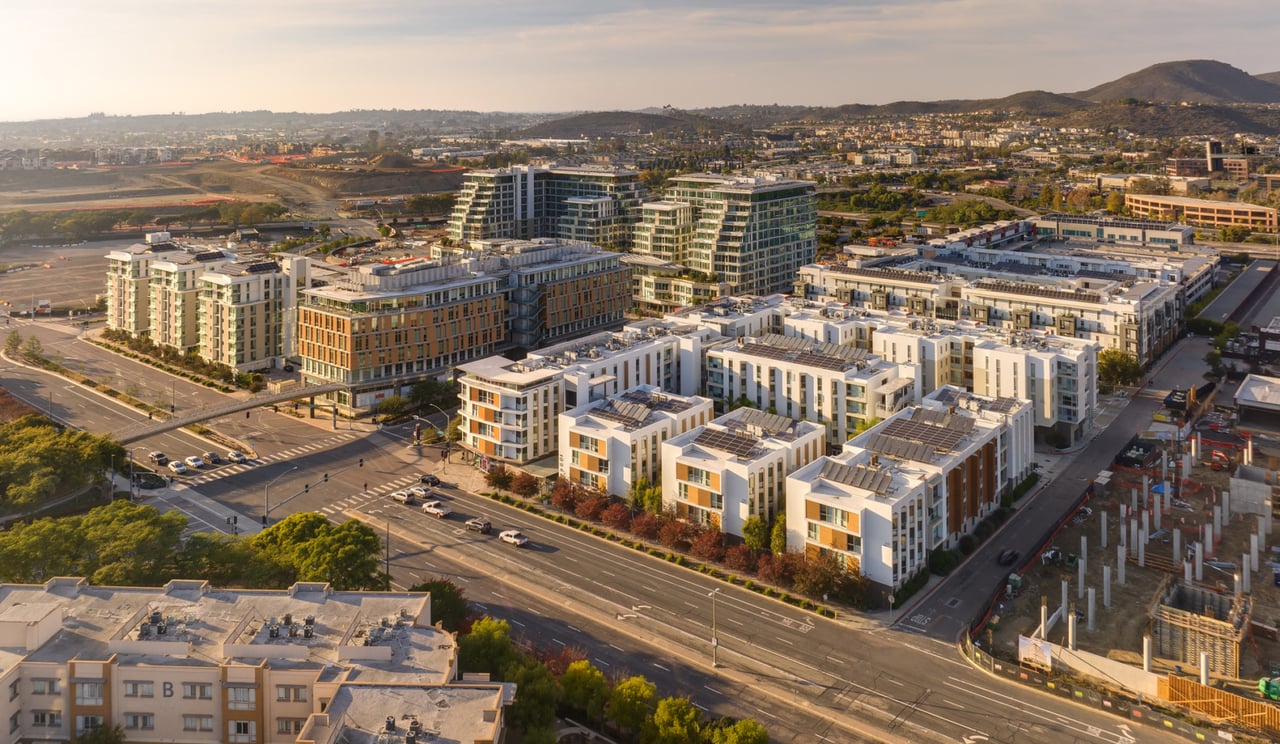
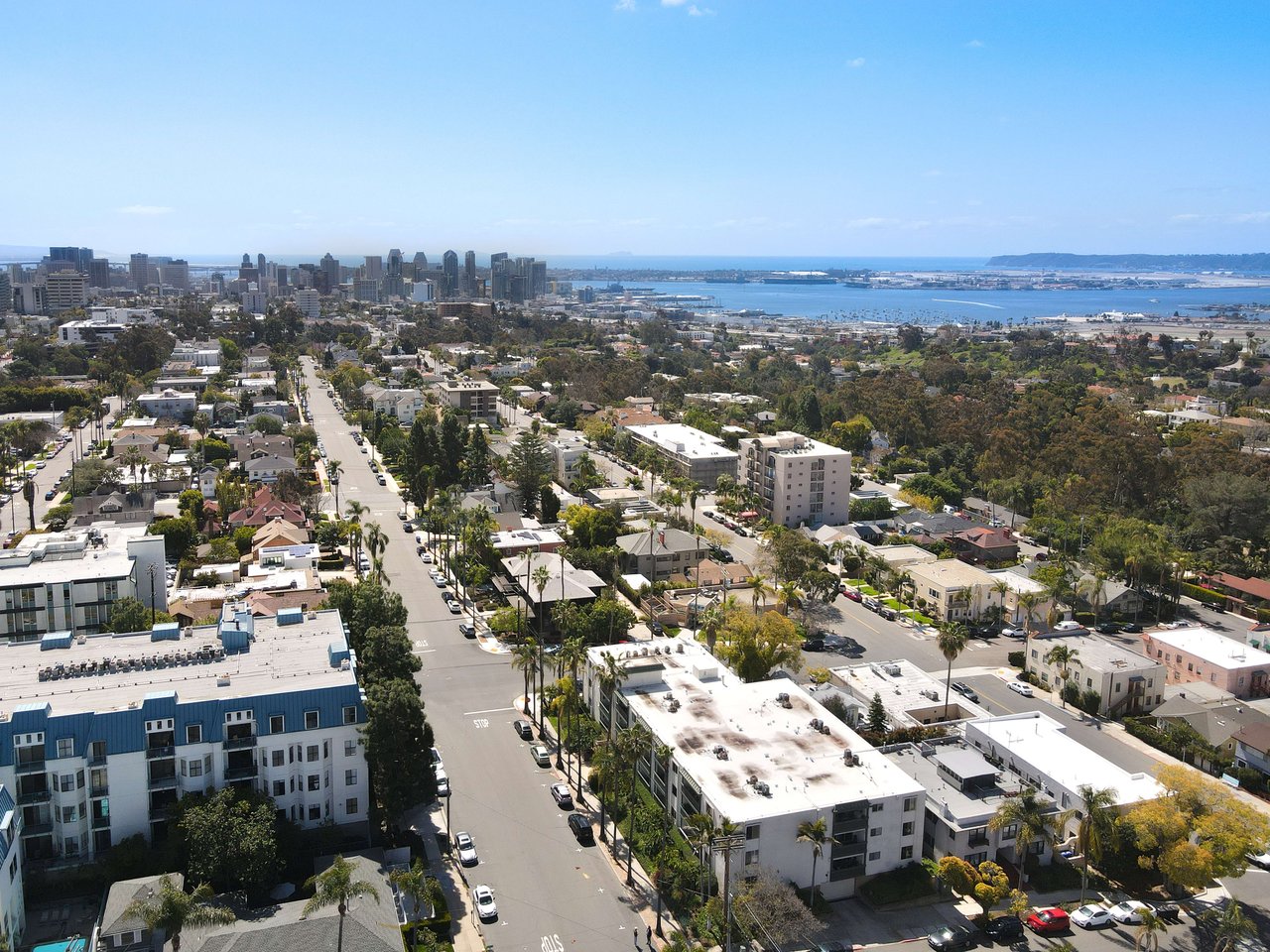
That dynamic is showing up clearly in San Diego right now. New construction and recently renovated assets are getting repriced because sellers know today's debt costs only pencil for buyers putting down 45-50%, and they're adjusting their ask accordingly. For a buyer with capital to deploy, that's a discount most of the market isn't positioned to take advantage of.
We've spent the past several months doing exactly that. Helping 1031 exchange investors find the motivated sellers, with $21M+ in transactions closed as a result.
The Real Cost of Waiting
Every standoff unravels eventually. Sellers with carrying costs, maturing debt, or changing circumstances meet the market on their own timeline, whether the broader market has "recovered" or not.
In my conversations with investors this year, the overwhelming majority are doing some version of the same thing: holding steady, waiting for a crash, waiting for a screaming deal that may never arrive at the price they're picturing. That instinct is understandable. It's also exactly what's keeping the freeze in place and exactly what the sellers above are already moving past.
The frozen market isn't a reason to pause. It's an argument for staying close to the deals that are actually moving, and for working with someone who can tell you which sellers in this market still have a reason to transact.
If you're sitting on capital and waiting for the market to feel certain again, that's a conversation worth having now, not after the next wave of inventory hits. Reach out to CCG Real Estate Advisors to talk through where the real opportunities are in today's market.